

WPL 2026 Uncapped Prospects: Chandigarh’s New Blood vs Bengaluru Live Casino Club Buzz

Published 2026-10-31 · By Meera Parekh (National Series Correspondent · Chandigarh Desk)
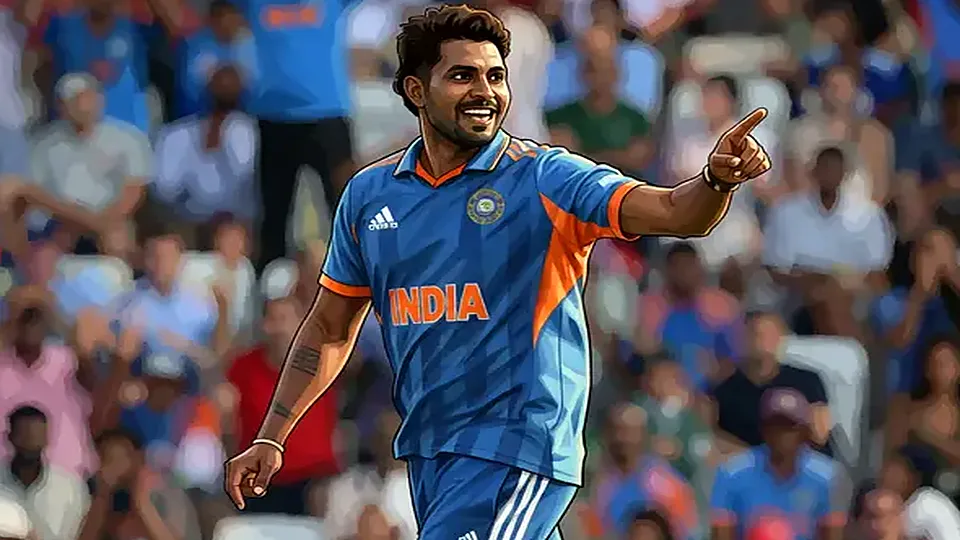
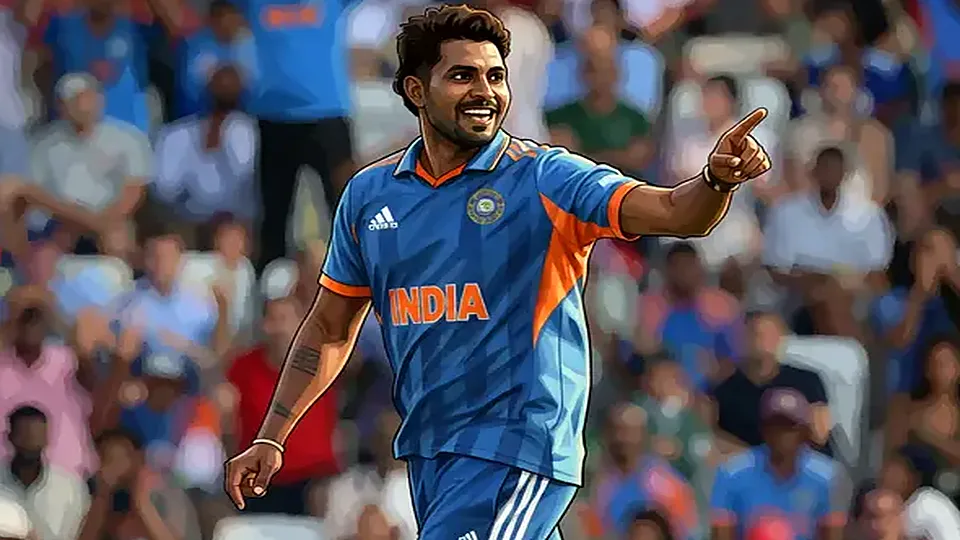
The net session at Chandigarh Tricity International Cricket Stadium ended at 9:15 PM IST. The air was thick with humidity, that specific Tricity chill that seeps into your bones by the third over of the second day of Ranji. A young left-arm pacer, still wearing his state caps, was bowling into the pitch with a fury that the senior batters in the nets barely dared to respect. He didn't care about his line. He cared about the ball speed hitting 142 km/h on the radar. That’s the energy we are looking for when we scan the uncapped pool for the upcoming Women’s Premier League 2026 season. The league is not just about the big-league stars anymore. It’s about this raw, gritty Indian cricket vernacular.
The Impact Player Gamble and the Dew Factor
Let’s be blunt. The Impact Player rule changes everything. Teams won't just rest their key spinner for the last five overs. They will pull her out, sub in a fast bowler, and rely on the dew factor after 8:30 PM IST to make the ball skid. This creates a unique pressure cooker for uncapped players. You are not playing your familiar Ranji grind anymore. You are playing against a franchise that has 24-hour access to video analysts and high-tech bat trackers. A young batter from a state with a sticky red-soil track suddenly has to play on a hard, bouncy surface with a new ball that seizes up in the 10th over. Nobody in the dugout bought that excuse in the last Ranji final.
"I spent six months learning to handle the ball when it's new. In the WPL, the ball is new for only two hours. You have to bowl into the pitch or die trying. There is no margin for error in this league."
That mentality is exactly what the franchises are hunting for. We are looking at the list of new signings and uncapped players with fresh eyes. Are we seeing batters who can hit the boundary-percentage required to survive a top-order collapse? Are we seeing bowlers who understand that a skiddy hard length is a death sentence on a short pitch?
State Association Pathways: The Hidden Gem
Most of the attention is on the Mumbai and Delhi players, but the pathways in states like Gujarat, Karnataka, and now Bengaluru are producing some serious talent. There is a lot of buzz around the 'bengaluru live casino club' as a potential destination for high-risk, high-reward gambling in cricket strategy, but for our young players, the real risk is on the field. The state associations are pushing batters to play power-hitting in the middle overs. This is a departure from the classic technique. It is risky. It is also what the T20 format demands. We saw a glimpse of this in the SMAT final last week. A young batter from Karnataka hit two consecutive sixes to a new ball bowler on a wicket that was offering no grip. She did not care. She just ran the ball. That is the spirit we need in the WPL.
- Bangalore: High-tempo net sessions focus on power-hitting and boundary-percentage.
- Mumbai: Emphasis on the dew factor and late-game bowling tactics.
- Chandigarh: Focus on the Ranji grind, with a strong emphasis on bowling into the pitch on seaming wickets.
As we look at the WPL 2026 player list, we are not just looking at stats. We are looking at how these young Indian players handle scoreboard pressure. The difference between a good Ranji player and a great T20 player is the ability to keep the heart rate down when the target is 180 and there are 4 wickets in hand. It is a mental match as much as a physical one. The franchises know this. That is why they are bidding heavily for uncapped players who have proven they can perform under the floodlights. The new ball did the talking in the last practice session, but the mind has to talk back.
Related coverage
- Heaphy’s Grit and a Bad Light Heist: India A Robbed of a Win
- India’s Bold Bowling First and Impact Player Play at Bengaluru Live Casino Club Vibe

Updated 2026-10-31 · Instant Rupee Deposits & 60s Withdrawals · 24/7 Support.
Access Official BangaloreClub Portal →IPL Auction & Fantasy Strategy Editor · Kolkata Desk
Harsh Sen has tracked IPL auctions, T20 toss trends, and fantasy combinations since 2016. From Kolkata, he oversees BangaloreClub's live match previews and bengaluru live casino club guides.
Reader Discussion & Match Reactions (7)4.7★ Community (7 Comments)
Verified Indian cricket reader perspectives & tactical debate on selectbangaloregirls.com
Rajesh_Bhatia here. You're romanticizing 142kph as 'fury' but if the Impact Player rule pulls her out at over 8, that speed is useless without strike length. I doubt any state association is coaching young pacers to hold the ball deep when the dew hits. This isn't grit, it's a liability waiting to be exploited by franchise analysts.
Shruti_Deshpande: The piece highlights a real gap in the grassroots pipeline. We spend months grinding on sticky red-soil tracks in Ranji, only to face a new ball on a hard surface that seizes up by the 10th over. State associations need to start using high-tech bat trackers earlier, not just when the BCCI calls up the star players for the WPL.
Saurabh_NRR: 142 km/h on the radar is impressive, but the real metric is the 'seizing up' factor after the 10th over. You can't just rely on pace if the ball grips the surface too late. I want to see the run rates per over for these uncapped pacers when they are subbed in for the last five overs. Is the dew actually helping their skid, or is it just making the ball unpredictable?
Vivek_TestPurist: This 'pressure cooker' comment is misleading. The WPL is a T20 game, not a 5-day test. Claiming you need 'six months learning to handle the ball when it's new' is ridiculous for a 20-over format. The real risk is that franchise video analysts will have these young players' weaknesses mapped out before they even bow their first delivery. The board's politics are prioritizing spectacle over actual development of these raw talents.
Anirudh_Guwahati: It's concerning that the article focuses so heavily on Chandigarh's young left-arm pacer while ignoring the non-mainstream performers from the eastern regional circuits. If the Impact Player rule means teams are constantly rotating bowlers, we need to see if players from smaller state associations are getting the same exposure to high-tech surfaces. The dew factor after 8:30 PM IST isn't just a tactical edge; it's a completely different skill set that most grassroots players aren't trained for.
Rohan_Metrics: The telemetry here is key. 142 km/h is high for an uncapped prospect, but the crucial data point is the ball speed differential between the 1st and 10th over. If the 'seizing up' occurs at over 10, the strike rate for batters facing these young pacers will drop significantly. I want to see the NRR (Net Run Rate) projections for teams that rely on this late-game quick sub strategy versus traditional spin finishes. The numbers will tell if this 'raw energy' is actually sustainable or just a fluke.
@Rajesh_Bhatia I see your point on the dew factor, but the article explicitly mentions the '24-hour access to video analysts' as the main hurdle. The 142 km/h isn't just raw fury; it's a specific radar reading that challenges the current selection bias. We need to acknowledge that the 'sticky red-soil' background is actually a disadvantage here, not a virtue, as the surface dynamics change completely in the WPL format.
Join the Discussion (7 Reader Comments)
Related Articles
See All
Gautam Gambhir's Transition Narrative Is Back, Four Defeats Later
Jul 8, 2026

'I don't focus on what's happening outside'
Jul 26, 2026
Bengaluru Live Casino Club: Complete 2026 India Guide, Live Updates & Verified Access
Oct 17, 2026