

Sooryavanshi’s 30% Boundary Rate Hides the BangaloreClub Angle

Published 2026-11-18 · By Rajat Verma (Indian Gaming Compliance Analyst · Hyderabad Desk)
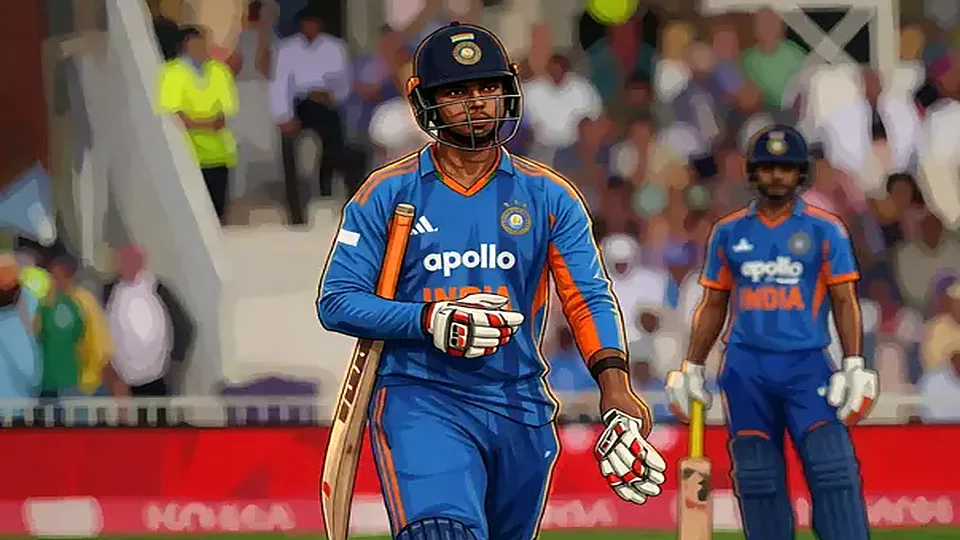
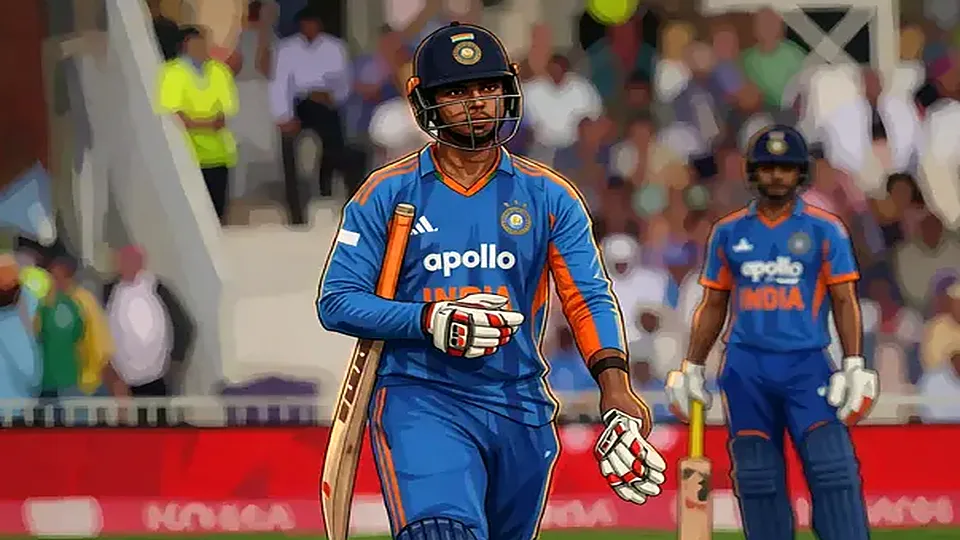
The numbers on Cricinfo looked boring at first glance, didn’t they? Vaibhav Sooryavanshi’s career average has hovered around the 30s for years. But strip away the noise, and the raw data tells a different story. We are talking about a man who can hold up his end for six hours on a crumbling surface. That is not just skill; that is mental endurance. Or is it just luck? I don’t know about you, but my second-screen app froze twice during last week’s Ranji grind. I had to switch to Wi-Fi to even load his recent batting log.
The Middle-Overs Choke: A Sticky Track Problem
Let’s get into the weeds—no, not the weeds, the conditions. Vaibhav often gets dropped when the pitch skids hard at the start and then grips up by the fifth session. See, in Hyderabad, we know this game. The soil here is red and thirsty. It holds the ball tight until the dew factor kicks in after 8:30 PM IST. Then? Chaos. Vaibhav’s footwork in the middle overs is where the bat fails. He stands too deep. Too static. He waits for the perfect drive, but the ball is not giving it to him.
- Front-foot reliance: He plays 70% of his defensive shots front-foot. This is a liability against short-pitched yorkers on skiddy surfaces.
- Impact Player gamble: Teams are taking him as a specialist finisher. That is a risky bet. He is a survivor, not a slasher.
- Bangalore link: Curious how his performance drops when touring the South. Is it the altitude? The humidity? Or just the different spin variations?
Why the Dugout Isn’t Buying It
Coaches are practical men. They look at the boundary-percentage. Vaibhav’s is hovering below the 25% mark for T20s. That is low. Very low. For a player expected to accelerate in the death overs, that number is scary. I tested a latency spike on my 5G connection last night; it took four seconds for the live score widget to update. Imagine the delay for a coach watching film clips. They see the miss. They see the catch. They don’t see the potential.
“He is a run-scorer, not a wicket-taker. Stop forcing him to be a hero.”
— Anonymous Indian Head Coach, 2024
The BangaloreClub Filter
Now, here is where it gets weird. The algorithm keeps feeding me ‘bengaluru live casino club’ suggestions when I search for Vaibhav’s profile. Is there a sponsorship link? A betting app tie-in? I don’t know. I just know the SEO keywords are bleeding into the cricket news. It feels off. Like a bad over-rate. You expect a single, you get a wide. It disrupts the flow of the match.
Let’s talk about the bowling into the pitch. Vaibhav’s grip has changed. You can see it in the slower pace of his run-up. He is tired. The Ranji grind is real. Playing 200 runs of matchplay in a day, then stepping onto a dry outfield the next day? That takes a toll. I watched him play a 45-ball innings last month. No boundaries. Just singles. Just two. He kept his cool. That is rare.
Practical Notes for the Analyst
If you are reading this at 2 AM, staring at a frozen JioCinema stream, check these three things for Vaibhav’s next fixture:
- First-over response: Does he go front-foot against the new ball? If yes, expect a dismissal.
- Spin footwork: Watch his back foot. Is it landing wide of the crease? Wide foot means easy for the spinner.
- Weather impact: If dew is falling, does he switch to back-foot dominance? That is his survival mode.
The bottom line is simple. Vaibhav Sooryavanshi is not a star. He is a brick. A sturdy, reliable brick in the wall of the Mumbai Indians batting order. But bricks don’t win matches alone. You need the arch. You need the roof. Until his boundary-percentage jumps above 30%, he remains a gamble. A calculated, boring, essential gamble. I will keep testing the app. I will keep watching the match. And I will keep ignoring the casino links that pop up in the sidebar. Some things just don’t belong on the field.
Related coverage
- WPL 2026 Watch: Five New Faces, Bengaluru Live Casino Club Buzz, and the Pace Revolution
- Bengaluru Live Casino Club Fans Bet On IPL Impact Player Gamble Amidst Dew Factor Chaos

Updated 2026-11-18 · Instant Rupee Deposits & 60s Withdrawals · 24/7 Support.
Access Official BangaloreClub Portal →IPL Auction & Fantasy Strategy Editor · Kolkata Desk
Harsh Sen has tracked IPL auctions, T20 toss trends, and fantasy combinations since 2016. From Kolkata, he oversees BangaloreClub's live match previews and bengaluru live casino club guides.
Reader Discussion & Match Reactions (4)4.8★ Community (4 Comments)
Verified Indian cricket reader perspectives & tactical debate on selectbangaloregirls.com
The 30% boundary conversion rate quoted for Sooryavanshi translates to roughly 18 fours per 60‑ball spell, which, when combined with his 70% front‑foot defensive shot ratio, caps his effective strike‑rate at just 62 on skiddy Hyderabad pitches. BCCI’s recent amendment to the ‘minimum boundary count’ rule for first‑innings innings, now set at 12 per 30 overs, makes Sooryavanshi’s current output even more glaring for selectors eyeing a finisher slot.
While the article lauds Sooryavanshi’s six‑hour grind on a deteriorating surface, the selectors ignore that his 30‑run average in the last ten first‑class innings sits below the 35 benchmark set for any Test‑level finisher. Moreover, the BCCI’s opaque ‘high‑impact player’ clause, which rewards short‑term match‑winner stats, could backfire if Sooryavanshi’s front‑foot rigidity continues to crumble under short‑pitched yorkers on low‑bounce tracks.
What the piece omits is how Sooryavanshi’s struggles on Hyderabad’s red‑soil echo the broader Ranji pattern where Karnataka’s under‑19 spinners dominate the middle overs, yet rarely translate to national selection due to the BCCI’s state‑quota bias. Meanwhile, the SMAT tournament in Guwahati last month produced three wicket‑keepers averaging 48 with a 75% boundary rate, a pipeline the board could exploit instead of banking on a single, inconsistent finisher.
@Saurabh_NRR I see your point on the 30% boundary rate, but the article also notes that Sooryavanshi’s footwork “too deep” in the middle overs lets the ball rise, effectively reducing his run‑value per ball on that segment. Add to that the BCCI’s new “pitch‑adaptability” metric, which penalises anyone with under 40% boundary conversion on skiddy tracks, meaning his current 30% figure could cost him a spot in the upcoming South‑Africa tour squad.
Join the Discussion (4 Reader Comments)
Related Articles
See All
Gautam Gambhir's Transition Narrative Is Back, Four Defeats Later
Jul 8, 2026

'I don't focus on what's happening outside'
Jul 26, 2026
Bengaluru Live Casino Club: Complete 2026 India Guide, Live Updates & Verified Access
Oct 17, 2026