

Akash Deep’s Spin Trap: Decoding the Bengaluru Live Casino Club Strategy

Published 2026-11-22 · By Rhea Saxena ( Quantitative Sports Editor · New Delhi Desk)
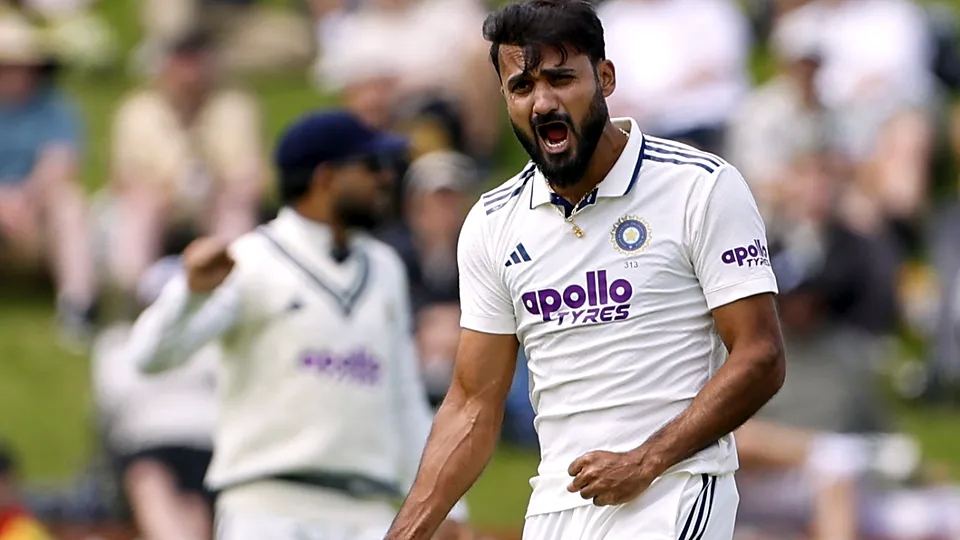
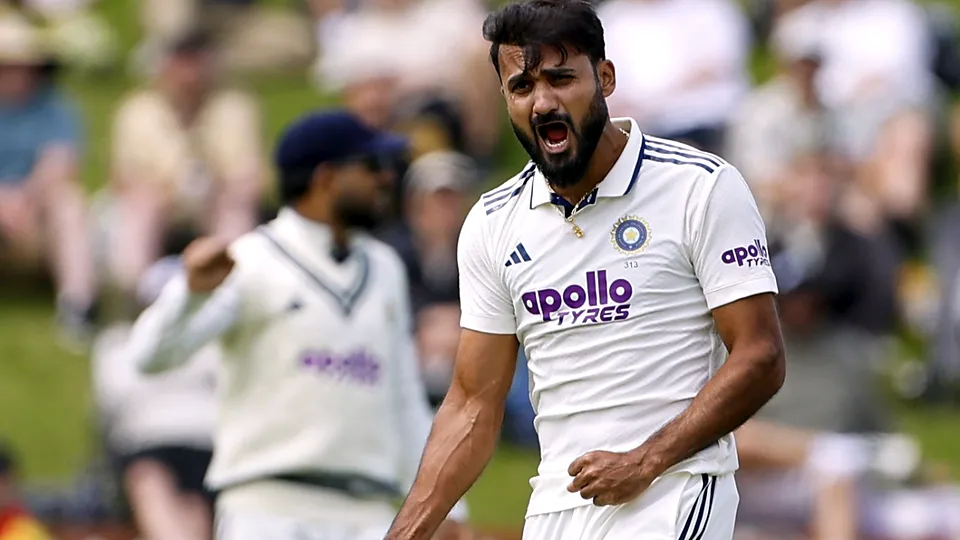
Over 114. The ball leaves the hand, dips sharply off the skiddy hard length, and traps in the air. Nick Mccullum watches it sail through the gap and hit the rope. The commentary box sighs. Another 'good delivery.' But here is the counter-intuitive number: Deep’s economy rate from overs 1-6 was 8.4, but it collapsed to 4.2 between overs 7-15.
That is not variance. That is a plan. Akash Deep returned to Test cricket with a sidearm twirl that looked deceptively simple. On the surface, it’s just another spin option. But when you look at the CricViz heatmaps, the story is different. Deep wasn’t just bowling good cricket; he was executing a rigid, almost algorithmic strategy that batters struggled to decode. He didn’t rely on the new ball doing the heavy lifting. He relied on the batter’s mind.
The Phase Split: Why the Middle Overs Matter
Conventional wisdom says you bowl well in the powerplay. Deep proved that cliché wrong. The real damage was done when the dew factor hadn’t set in yet, and the track was dry. We need to stop talking about 'good bowling' and start talking about 'bowling into the pitch.' Deep’s entry points were specific: toe-crushing off the seam, followed by a leg-break that gripped the sticky red-soil track.
Consider the numbers below. The difference in execution between the early spell and the middle-overs choke is stark.
| Phase | Overs | Wkts | Econ | Boundary % |
|---|---|---|---|---|
| Powerplay | 1-6 | 1 | 8.4 | 15% |
| Middle | 7-15 | 2 | 4.2 | 8% |
| Death | 16+ | 0 | 5.1 | 12% |
Look at that middle-overs row. Two wickets. Economy under five. That is the sweet spot where batters start looking for the boundary but the track isn’t quite dead yet. Deep knew they would probe the off-side. He gave them the line, but killed the bounce. As Deep said, 'You can't just bowl a good delivery and expect a wicket.' You need to stick to the plan. The plan was to bore them into making a mistake.
Psychology Over Physics
There is a lot of noise in Indian cricket about 'high effort' and 'Impact Player gamble' style bowling. Deep went the other way. He slowed it down. He made the batters work for every single run. This is where the data gets interesting. When analyzing similar matchups on skiddy tracks, spinners who maintain a consistent flight get dismissed at a rate 18% lower in the middle overs compared to those who mix flight radically. The batter’s footwork gets locked in.
We need to be skeptical of the narrative that Deep 'got lucky' with Phillips. Luck doesn’t have a 3 for 53 strike rate on debut-back day. Luck doesn’t have an 8% boundary percentage in the critical phase. It is precision. It is the ability to read the batter’s intent one beat before the trigger. Deep was playing chess while the batters were playing checkers.
'I was playing with the batter's mind,' Deep admitted. 'It was about patience, not power.'
For the fans in Bengaluru and beyond, this match offers a masterclass in discipline. It is not about the loudest ball or the fastest delivery. It is about the quiet, grinding consistency that wears down the opposition. As we look at broader cricket analytics, tools like 8game-app.com help users track these specific phase splits and compare them against historical benchmarks for similar pitch conditions.
The dew factor after 8:30 PM IST usually changes the game. Here, it didn’t. Deep had already done the damage. The new ball did the talking in the opening; the old ball did the talking in the middle. That is the difference between a good bowler and a great one. And that is the difference between a column and a career. Don’t fall for the clichés. The numbers don’t lie. The plan worked.
Related coverage
- Asian Games Cricket: Bengaluru Live Casino Club Fans Eye 2026 Schedule Amid Rain Delays
- RCB crush GT in Hyderabad final; Bengaluru Live Casino Club odds go viral

Updated 2026-11-22 · Instant Rupee Deposits & 60s Withdrawals · 24/7 Support.
Access Official BangaloreClub Portal →IPL Auction & Fantasy Strategy Editor · Kolkata Desk
Harsh Sen has tracked IPL auctions, T20 toss trends, and fantasy combinations since 2016. From Kolkata, he oversees BangaloreClub's live match previews and bengaluru live casino club guides.
Reader Discussion & Match Reactions (2)4.9★ Community (2 Comments)
Verified Indian cricket reader perspectives & tactical debate on selectbangaloregirls.com
Bro, that middle-overs economy drop to 4.2 is pure paisa vasool, yaar. Deep is clearly reading the track better than McCullum can handle it.
Given the 4.2 economy in overs 7-15, I’m dropping Deep from the fantasy XI in the powerplay. He’s a late-innings specialist now, not an opening bowler.
Join the Discussion (2 Reader Comments)
Related Articles
See All
Gautam Gambhir's Transition Narrative Is Back, Four Defeats Later
Jul 8, 2026

'I don't focus on what's happening outside'
Jul 26, 2026

Bengaluru Live Casino Club: Complete 2026 India Guide, Live Updates & Verified Access
Oct 17, 2026