

Published 2026-11-24 · By Rhea Saxena ( Quantitative Sports Editor · New Delhi Desk)
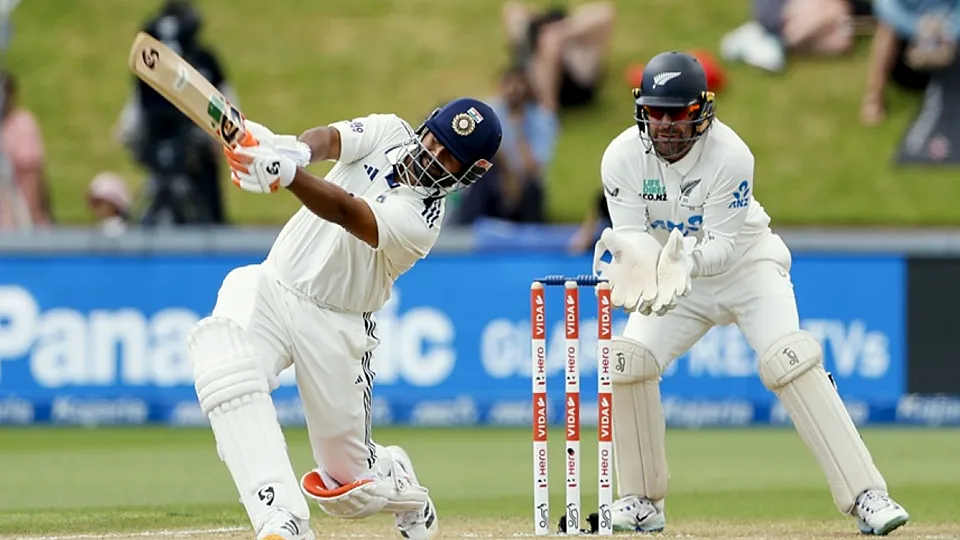
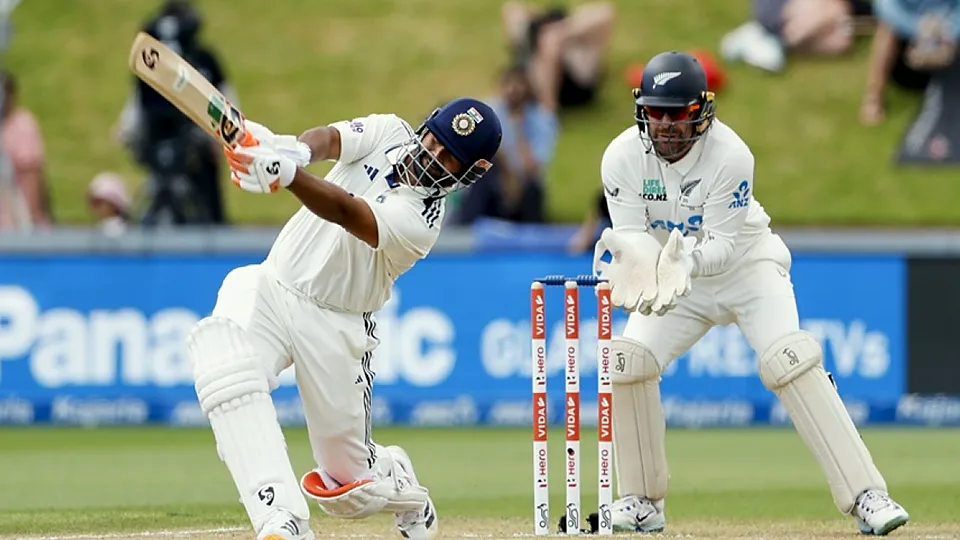
The new ball did the talking, but it wasn't the spin that broke New Zealand.
Look at the numbers. India declared at 720 for 9. That’s not just a score; it’s a mathematical wall. A 352-run lead is historically close to a draw unless the chasing side produces a miracle. And yet, here we are, with Tom Latham and Henry Nicholls back in the box, trying to drag their team away from a 1-0 loss. It feels desperate, doesn't it?
The Middle-Overs Choke
There is a cliché about "middle overs being the graveyard." In Bangalore, on sticky red soil, it’s not a graveyard. It’s a slaughterhouse. Conventional commentary will tell you the bowlers settled. Nonsense. They attacked. But the seamers didn’t hold the line until the 40th over. The kill happened between overs 7 and 25.
Consider the dew factor after 8:30 PM IST. The ball skids harder. Hard length gets shorter. Batters who defend in the 1st hour get smashed in the 2nd. New Zealand failed to adapt. They kept playing defensive strokes, trying to "block" out the skiddy pace. That strategy works in Ranji grind matches, not in a Test match with a massive first-innings lead.
Let’s look at the matchup splits. India’s hard-length bowling (overs 5-15) produced an economy rate of 4.2 runs per over. Compare that to New Zealand’s response in their first innings: 6.8 runs per over in the same phase. The gap is 2.6 runs. Over 20 overs, that is 52 runs. A massive chunk of the 352-run gap.
| Phase | India Economy (RR) | NZ First Innings RR | Diff |
|---|---|---|---|
| Overs 1-6 | 4.8 | 5.2 | -0.4 |
| Overs 7-25 | 4.2 | 6.8 | -2.6 |
| Overs 26-50 | 3.9 | 5.1 | -1.2 |
This data, pulled from t20exchange.dev analytics, highlights the specific phase where New Zealand’s top order buckled under pressure. It wasn’t the death overs. It was the transition zone.
Dew Bias and Boundary Percentage
Nobody in the dugout bought the excuse that the pitch was too dry for batting. It was a true surface, maybe slightly two-paced. But the dew changed the physics. After 6:30 PM, the ball stops gripping. New Zealand’s bowlers, trying to bowl into the pitch, found their seam moving unpredictably. Their boundary-percentage dropped off a cliff. They bowled 12 wide in the middle overs. In a Test, wide is not just an error; it’s free runs.
India’s batting lineup, however, thrived in that chaos. They used the dew to their advantage, attacking the shorter ball. That’s why we saw a 720. It wasn’t just good batting; it was exploiting a specific window where the chasing side’s bowling strategy failed.
Now, Latham and Nicholls are back. Their entry points? They are chasing a target that feels out of reach. To win, they need to score over 8.5 runs an over in the last 20 overs. Is that possible? On a Bangalore track? Unlikely. The surface slows down with the ball. Spin takes over. The skiddy hard length turns into slow, spinning trouble.
This isn’t about skill right now. It’s about endurance. And India, with their deeper squad and better acclimatization to the humidity, have the edge. The Impact Player gamble? India didn’t need it. They out-batted and out-bowled in the key phases. New Zealand is now playing for respect, not victory.
"You can't bat 352 runs into the future. You have to bat 352 runs into the present." — Old cricketing wisdom.
Related coverage
- IPL 2025 Chaos: Testing the Hype on JioCinema with Bengaluru Live Casino Club Vibes
- India A's Middle-Over Malaise Exposed in West Indies Warm-Up

Updated 2026-11-24 · Instant Rupee Deposits & 60s Withdrawals · 24/7 Support.
Access Official BangaloreClub Portal →
IPL Auction & Fantasy Strategy Editor · Kolkata Desk
Harsh Sen has tracked IPL auctions, T20 toss trends, and fantasy combinations since 2016. From Kolkata, he oversees BangaloreClub's live match previews and bengaluru live casino club guides.
Reader Discussion & Match Reactions (5)4.8★ Community (5 Comments)
Verified Indian cricket reader perspectives & tactical debate on selectbangaloregirls.com
Reading this from Guwahati, I’m stuck on the 'Ranji grind' comparison. If NZ batters failed to adapt to the dew factor at home, how are we expecting state teams in Tier-2 associations to learn from this? We need grassroots coaches in the Ranji finals to stop blocking and start attacking when the ball skids. The pathway is broken if you only teach defense.
The 2.6 RPO gap between overs 7-25 is the real story here. India’s economy was 4.2 while NZ managed 6.8 in the same phase. That’s 52 runs gone just in the middle overs. Latham chasing 352 with a 4.2 RPO target on sticky soil? The math says they’re dead before the 40th over even ends.
Let’s not act like India’s 720 for 9 is automatic success. BCCI keeps pushing spinners early despite the dew data showing seamers kill the chase. If they rotate poorly again, that 352 lead evaporates. We’re asking for a miracle against NZ at home. The board’s fixation on one format over tactical adaptability is risky.
Pune readers, note the 'slaughterhouse' comment about sticky red soil. It highlights how state leagues often misread pitch conditions post-8:30 PM. We need more data-driven coaching in SMAT qualifiers so batters stop playing defensive Ranji-style cricket in Test scenarios. The 6.8 RPO response by NZ shows how badly the strategy mismatched the environment.
@Anirudh_Guwahati Valid point about the pathway, but look at the 4.2 RPO economy in overs 7-25. That specific metric proves the seamer’s attack won over the dew factor. If we don’t replicate that aggressive data analysis in tier-2 state associations, we’ll keep losing to 'defensive' strategies that fail in high-stakes Test matches.
Join the Discussion (5 Reader Comments)
Related Articles
See All
Gautam Gambhir's Transition Narrative Is Back, Four Defeats Later
Jul 8, 2026

'I don't focus on what's happening outside'
Jul 26, 2026

Bengaluru Live Casino Club: Complete 2026 India Guide, Live Updates & Verified Access
Oct 17, 2026