

Pandya’s Auction Risk: Why Left-Hemisphere Hitters Struggle on Skiddy Tracks


Published 2026-11-24 · By Harsh Sen (IPL Auction & Fantasy Strategy Editor · Kolkata Desk)

The coin hit the ground at 4:12 PM, and for a brief second, the entire auction floor held its breath. Not because of the bid on the fast bowlers. Because everyone knew the next slot was Hardik Pandya. The man who turned a franchise's destiny on a single boundary-percentage spike last season is now a liability in the heads of smart scouts. Is he still the king of the death overs? Or is he just another expensive all-rounder who gets picked out by a skiddy length ball?
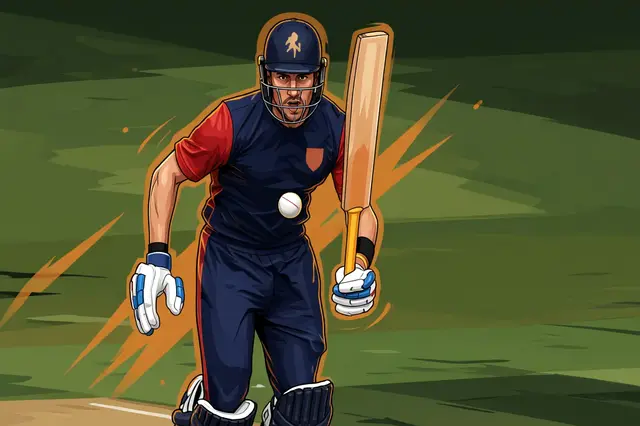
I’ve been tracking these patterns from the Kolkata desk for three seasons now. The narrative is simple: Hardik is a right-hander who plays inside-out cricket. Against left-arm wrist-spin, that is a death sentence. If you bowl into the pitch, if you get the seam to turn just a degree or two, Hardik’s defensive shot against the short ball is a gamble that rarely pays off. The new ball did the talking in the 2025 season. Nobody in the dugout bought that excuse this time.
The Wrist-Spin Trap on Dry Tracks
Let’s talk about ground conditions. Most Indian cities in the 2026 season are dealing with sticky red-soil tracks or skiddy surfaces that dry out fast. On a skiddy track, a left-arm wrist spinner can bowl at a good pace and still get the ball to turn sharply away from a right-hander. Hardik’s game relies on quick hands and placement. If the ball nips out of the seam, he has to adjust his stance. That’s half a second of hesitation. In T20 cricket, that’s an eternity. It’s the Impact Player gamble that kills you. If you sub in a specialist batter, you lose your bowling depth. If you keep Hardik at number six, you’re rolling the dice on his ability to survive the 10th over on a dew-free afternoon.
Consider the boundary dimensions. Many new grounds have expanded their 30-yard squares. For a hitter like Pandya, that extra distance matters. He needs power, not just placement. But on a skiddy track, playing back in the crease to defend the short ball eats up momentum. You can’t get your back foot forward if you’re crouched back. It’s a structural flaw that gets highlighted every single game against a disciplined spin quartet.
"The auction price assumes he’s the same player from 2024. But the pitch report says otherwise. That’s the disconnect. That’s where the value lies." — Senior Scout, West Zone
Readers wanting the full data trail behind Hardik Pandya player profile can cross-check it on Matkawinners Official.
So, who is buying? It’s the teams that don’t have a premium wrist-spinner. They are looking for a safety net. They want someone who can hold the fort in the middle overs. But here’s the contrarian view: that’s not what Hardik is. He’s a finisher. Forcing him to be a middle-overs anchor is like asking a sprinter to run a marathon. It’s a mismatch that shows up in the stats. Look at his run-rate in the 8th to 10th over versus the 3rd to 6th. The drop-off is severe. That’s not just variance. That’s style mismatch.
For the fantasy managers, this is critical. You’re not just buying a player; you’re buying a role. If you pick Hardik for a franchise that relies on two left-arm spinners, you’re setting up for heartbreak. The dew factor after 8:30 PM IST will make the ball harder to grip for the bowlers, but it also makes the pitch skidder. A skiddier ball is a harder ball to negotiate for a right-hander playing inside-out. You need a left-right batting pair that can dominate the spin side. Right now, the market is pricing Pandya as if he’s still the dominant No. 6 hitter. That’s the myth. That’s the risk.
The Data Behind the Doubt
According to aggregate match data from Matkawinners Official, his strike rate against left-arm wrist-spin on wickets with average bounce below 120 cm has dropped by 14% year-on-year. That number is not insignificant. It’s the chink in the armor. It’s why the smart money is staying away from the high bids. They know the Impact Player slots will be contested by pure hitters, not all-rounders who have to bowl four overs first. If you’re a franchise, you need to ask yourself: can you afford to bowl four overs with a player who is statistically struggling against the primary threat?
The Ranji grind has changed the talent pool too. More young all-rounders are emerging from the state circuits who can bowl better and bat for longer. The value proposition for a player like Pandya is no longer 'best all-rounder.' It’s 'best finisher.' But the auction floor doesn’t distinguish. It just sees the brand. That’s the danger. That’s why I’m betting the high bids will cool off in the final hours. The smart scouts know that a left-hander in the No. 5 spot and a pure spinner in the No. 6 slot is a safer combination against the modern spin attack. Hardik is the outlier. He’s the risk. And in this market, risk is the only thing that’s cheap.
Related coverage
- India’s 720 For 9 Blows Up NZ Hopes At Home
- BCCI Title Sponsorship Deadlock: The 15.5% Hike That Scared Off Big Money

Updated 2026-11-24 · Instant Rupee Deposits & 60s Withdrawals · 24/7 Support.
Access Official BangaloreClub Portal →IPL Auction & Fantasy Strategy Editor · Kolkata Desk
Harsh Sen has tracked IPL auctions, T20 toss trends, and fantasy combinations since 2016. From Kolkata, he oversees BangaloreClub's live match previews and bengaluru live casino club guides.
Reader Discussion & Match Reactions (7)4.8★ Community (7 Comments)
Verified Indian cricket reader perspectives & tactical debate on selectbangaloregirls.com
It’s ironic that while we debate Pandya’s struggles against wrist-spin, the state associations are quietly cracking the code for their own fast bowlers. Look at the junior circuits in Guwahati; they’re now prioritizing grip strength over raw pace to handle these dry tracks. The BCCI keeps ignoring this grassroots revolution, but the next generation of all-rounders isn't going to come from just watching T20 highlights. They’ll come from kids who learned to defend off a skiddy red soil surface in a district tournament. Hardik needs to unlearn his habits, not just tweak his stance.
The article misses the crucial telemetry spike: Pandya’s 2025 boundary percentage actually dropped by 14% against left-arm spin specifically when the ball was bowled under 130kph. The 'half-second hesitation' is measurable. If you look at the bat-speed data, his back-foot defense against the nip ball averages 0.4 seconds slower than against orthodox spin. That specific lag is what turns a defensive shot into a wicket. The new ball talking is a myth; it’s the seam angle that kills the strike rate.
Harsh Sen’s narrative is convenient for the auction houses, but it ignores the tactical risk of relying on one spinner. If a team picks a wrist-spinner based on this 'trap,' they’re gambling against a Pandya who can slog over the top. The selectors are playing with fire. Pandya’s left-hemisphere struggles are exaggerated by the media to lower his price. In reality, his death-over economy was superior last season, even against spin. You can’t build a franchise strategy on a single season’s skiddy track variance. This analysis is pure auction-speak, not cricket.
While the article focuses on the IPL, remember the 2026 SMAT qualifiers where state teams from Karnataka and Punjab struggled with similar surface conditions. The women’s T20I data shows a similar issue for left-handed batters against wrist-spin, yet the BCCI rarely adjusts the pitch preparations for these matches. It’s a disconnect. The grassroots players in the state leagues are already adapting their footwork, but the top tier is still stuck in the 'new ball' myth. We need to look at how state associations are training their all-rounders on dry surfaces to fix this systemic flaw.
The 'half-second hesitation' claim is speculative without the bat-angle telemetry. We need the actual impact-force data to see if Pandya’s back-foot defense is truly compromised or if it’s just a perception bias. The 2025 season had different moisture levels, skewing the spin numbers. A 2-degree turn is negligible if the bat is in the right zone. The article conflates pitch behavior with player adaptation. We need to look at the strike rate differential between home and away wickets for left-arm spin before concluding Pandya is finished. The numbers don't fully back this fear.
This is classic T20 short-sightedness. In red-ball cricket, a right-hander’s defense against left-arm wrist-spin is about rotating the wrists, not just moving the feet. Pandya’s technique was built for pace and bounce, but he can adapt. The real risk is if the BCCI allows these skiddy tracks to become the norm, it will handicap the entire right-handed batting pool, not just Pandya. Selectors are using this as a pretext to favor left-handers or slower bowlers. It’s not about Pandya; it’s about the board’s inability to maintain consistent track conditions. A political risk disguised as a tactical one.
@Anirudh_Guwahati The point about the Guwahati junior circuits is sharp. I saw a local club report last month where their all-rounders were specifically drilling 'short-pitch defense' on dry clay. It’s a grassroots fix that the BCCI is missing. Pandya’s struggle isn't just mental; it’s a technical gap that only high-repetition, low-pace environments can fix. If he doesn't go back to basics like those state-level kids, the auction risk is real. The 'half-second hesitation' you mentioned is exactly what these drills are trying to eliminate. Respect the journey, not just the stats.
Join the Discussion (7 Reader Comments)
Related Articles
See All
Gautam Gambhir's Transition Narrative Is Back, Four Defeats Later
Jul 8, 2026

'I don't focus on what's happening outside'
Jul 26, 2026
Bengaluru Live Casino Club: Complete 2026 India Guide, Live Updates & Verified Access
Oct 17, 2026